


Thông báo

CẢM ƠN QUÝ KHÁCH ĐÃ ĐẶT LỊCH KHÁM TẠI AIH.
Quý khách có muốn đăng ký thông tin trước không?
Vui lòng điền vào thông tin bên dưới
Khẩn cấp
DECODING HORMONAL ACNE: CAUSES, DIAGNOSIS, AND TREATMENT APPROACHES

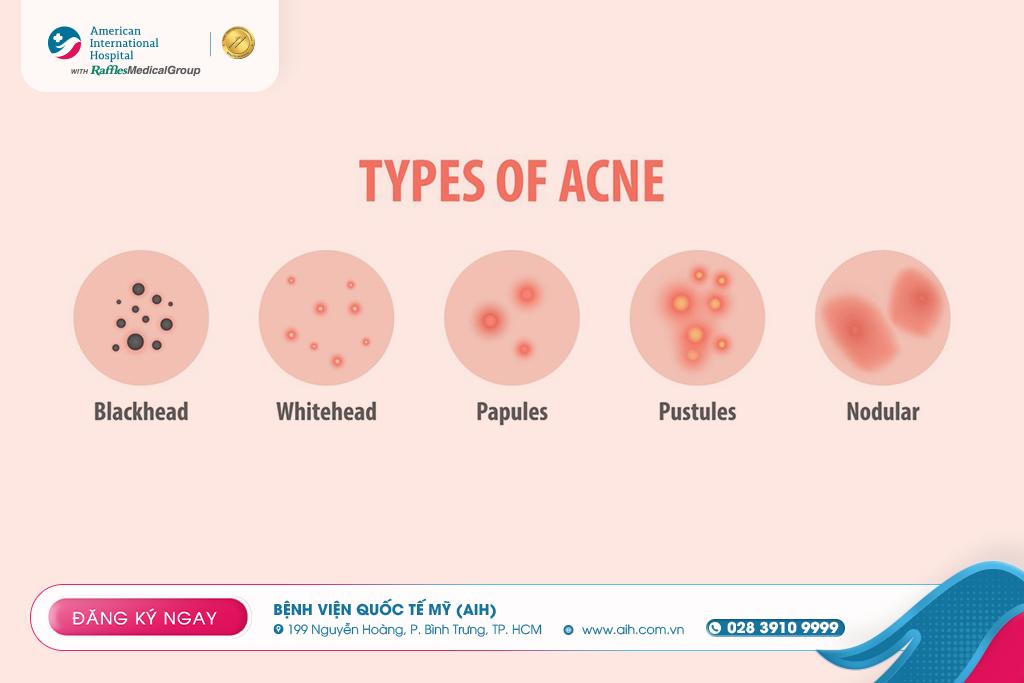
Acne is a disorder of the pilosebaceous unit, presented with various forms of lesions (blind pimple, blackhead, pustule, nodule/cyst) and could cause scarring. Hormonal acne is the type of acne related to the hormonal fluctuations, commonly seen in adult women (post-adolescent/adult acne), and could worsen before menstruation. Treatment for hormonal acne requires both topical intervention and consideration of hormonal regulation if appropriate.
Classification:
Non-inflammatory: whiteheads or blackheads.
Inflammatory: papules, pustules, nodules.
Severe nodulocystic acne: large and painful lesions, carrying a high risk of scarring.
Causes:
Follicular hyper-keratinization leads to clogged pores;
Androgen-influenced excessive sebaceous production;
Overgrowth of Cutibacterium acnes (C. acnes) in occluded environment;
Local inflammation causing papules, pustules, and local lesions.
Additionally, external factors (oil-based cosmetics), dietary habit (weak association with dairy products) and stress could contribute to acne development.
Clinical symptoms:
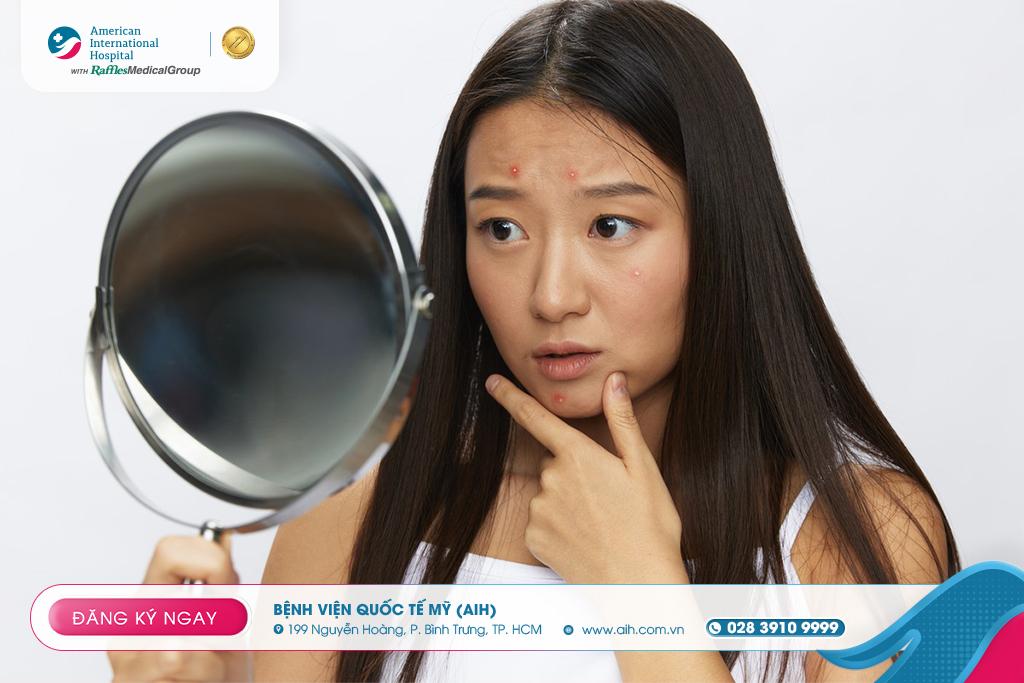
Local lesions on face (found around jaw/chin regions), chest, back; including papules, pustules, nodules.
History of recurrence related to menstruation cycle or persistence beyond adolescence (post-adolescent acne).
Associated symptoms might include pain, edema, and psychological consequences (decrease self-confidence, anxiety). Scarring (pitted or keloid) is a significant complication.
Diagnosis :
Clinical: diagnosis mostly based on dermatological examination and historical description (location, lesion type, connection with menstruation, and onset time).
When hormonal acne needs evaluation: if hormonal acne occurs suddenly, severely, accompanied by symptoms of hyperandrogenism (hirsutism, male pattern hair thinning), or standard treatment fails, endocrine disorders (such as PCOS) should be considered. From that, indications for endocrine tests and/or obstetric/gynecology-endocrine consultation will be given. The diagnosis for PCOS includes clinical assessment (irregular menstrual cycles, increased androgen), blood tests, and an ovarian ultrasound, according to professional criteria.
Treatment:
Acne treatment usually needs a combination of various methods (reduced keratinization, reduced sebum secretion, eradicating/managing bacteria, and reduced inflammation), tailored to the severity and causes (if hormonal factors are present, hormonal regulation therapy should be considered). The minimum period to assess treatment response is typically 8-12 weeks due to the life cycle of acne lesions.
1. Foundational treatment – skincare, prevention
Do a gentle facial wash 1-2 times/day using a soap-free cleanser; avoid aggressive rubbing; use non-comedogenic products; use an appropriate moisturizer and suncream (because some could increase light sensitivity).
2. Topical treatment (for mild to moderate condition)
Topical retinoid (tretinoin, adapalene, tazarotene): keratinization reduction, follicular patency.
Benzoyl peroxide: helps avoid bacteria and reduce inflammation; typically combined with retinoid.
Topical antibiotics / dapsone: reduce inflammation and local bacteria load.
3. Systemic treatment (for moderate to severe condition or topical treatment fails)
Oral antibiotics (doxycycline, minocycline, v.v.): short-term use to control inflammation, prioritize to combine with topical therapy to avoid drug resistance.
Hormonal regulating therapy (in females): combined birth control pills (estrogen + progestin) or spironolactone (anti-androgen) could improve hormonal acne in women by reducing androgens’ effect on sebaceous glands; time for medication response usually takes a couple of months. The patient needs to consider the contraindication and receive consultation before using.
Oral Isotretinoin: a choice for severe acne/with scarring or when other treatments fail; highly effective yet significant systemic side effects, restricted for pregnant women; requires consultation, test monitoring, and contraceptive methods.
4. Intervention (when needed)
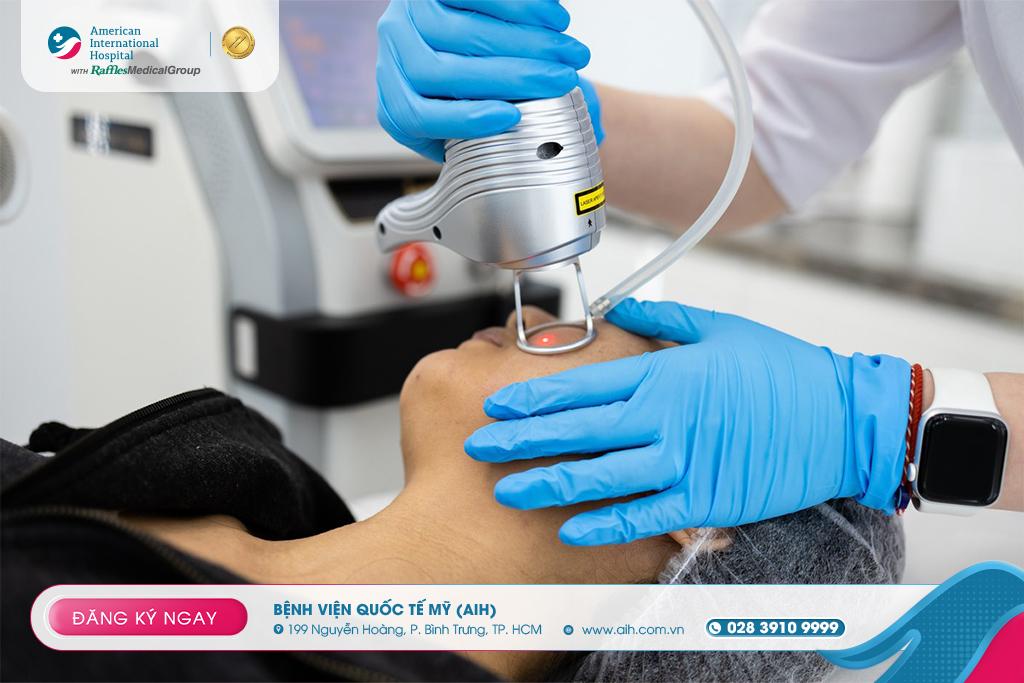
Depending on the specialized doctor’s indication, skin peeling treatment, light/laser therapy, microneedling, or scar treatment may be added to improve scars and skin structure.
Reference:
--------------------


Bác sĩ
Để lại bình luận