


Thông báo

CẢM ƠN QUÝ KHÁCH ĐÃ ĐẶT LỊCH KHÁM TẠI AIH.
Quý khách có muốn đăng ký thông tin trước không?
Vui lòng điền vào thông tin bên dưới
Khẩn cấp
PREVENTING RECURRENT URINARY TRACT INFECTIONS – WHAT YOU NEED TO KNOW

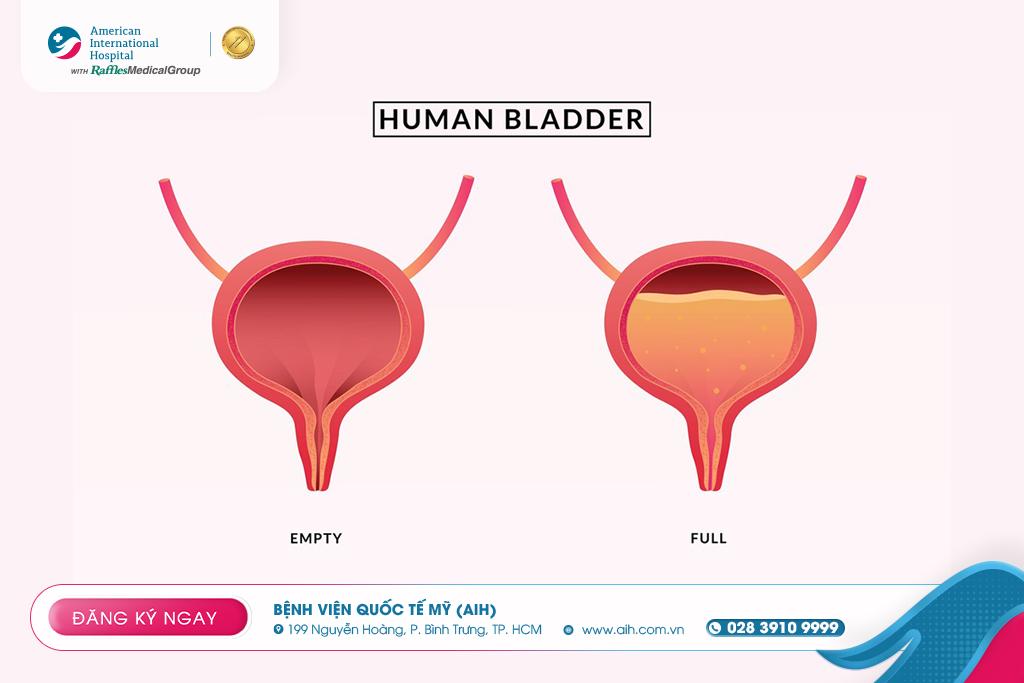
Urinary tract infection (UTI) is an infection that can occur in any part of the urinary system, including the kidneys, ureters, bladder, and urethra. However, the majority of cases involve the lower urinary tract, particularly the bladder and urethra. The incidence of UTIs is higher in females due to their shorter urethra, which makes it easier for bacteria to enter. Nearly 40% of women may experience a UTI in their lifetime, while it is less common in young men and children. In men, factors such as urinary tract malformations, kidney stones, or an enlarged prostate can cause urine retention and facilitate UTIs to develop.
Classification
UTIs are typically categorized by the location of the infection:
Lower urinary tract infection occurs in the urethra and bladder — most common.
Upper urinary tract infection involves the kidneys and ureters — more serious, can easily lead to kidney function damage if not treated promptly.
Additionally, there is the group of catheter-associated UTIs (CAUTI), which occur in the context of patients with prolonged indwelling urinary catheters in hospitals, accounting for approximately 75% of hospital-acquired UTIs, increasing the risk of severe infection, prolonged hospital stays, increased costs, and mortality rate.
Causes – Risk Factors
In women:
Short urethra structure.
Sexual activity or changing partners.
Use of contraceptive methods such as diaphragms or spermicides.
Post-menopause: decreased estrogen leads to changes in the urethral lining and reduced resistance to bacteria.
In men and other risk groups:
Congenital urinary tract malformations, kidney stones, or enlarged prostate creating obstruction or residual urine in the bladder.
Prolonged urethral catheterization is a strong risk factor for hospital-acquired infections (CAUTI).
Symptoms
UTI may not show clear symptoms, but when they do, common manifestations include:
A strong urge to urinate, passing frequent, small amounts of urine.
A burning sensation during urination.
Urine that appears cloudy, has a strong odor, or contains blood.
Pain in the pubic bone is commonly seen in women.
In cases of upper UTI or if accompanied by fever or back pain, there is a risk of the infection spreading to the kidneys.
Diagnosis
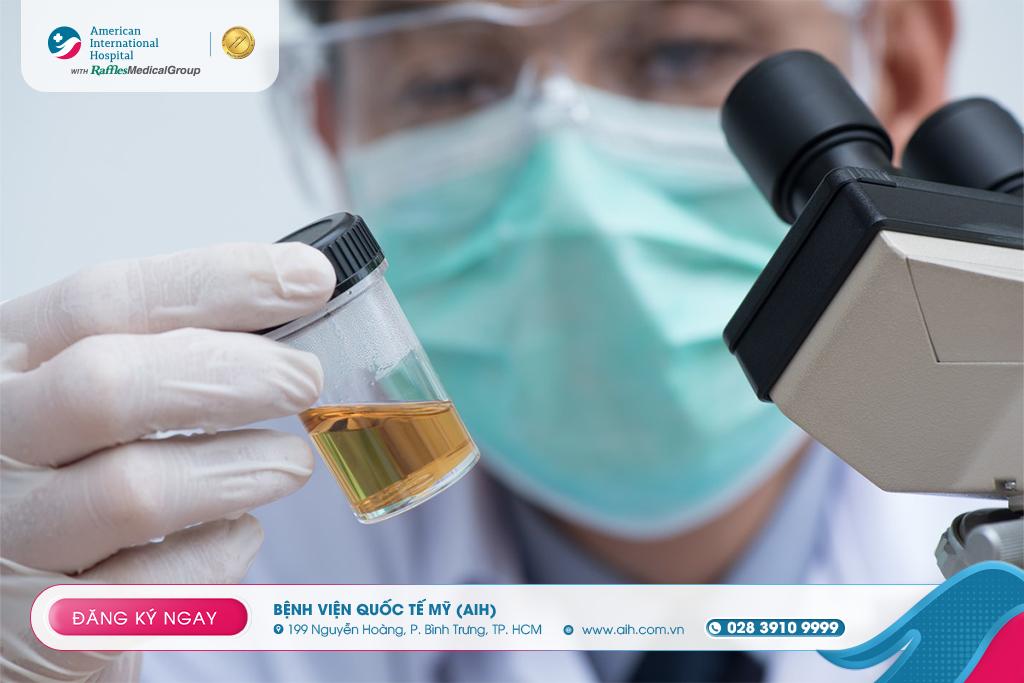
Urine test to check for white blood cells, red blood cells, and bacteria.
Urine culture to identify the type of bacteria and help select appropriate antibiotics.
In cases of recurrent infection or suspected anatomical damage, ultrasound, endoscopy, or CT scan may be indicated to investigate the cause.
Treatment
Antibiotics are the primary method; early treatment is especially recommended to prevent spreading to the kidneys. While mild cases might resolve on their own, the risk is significantly higher if left untreated.
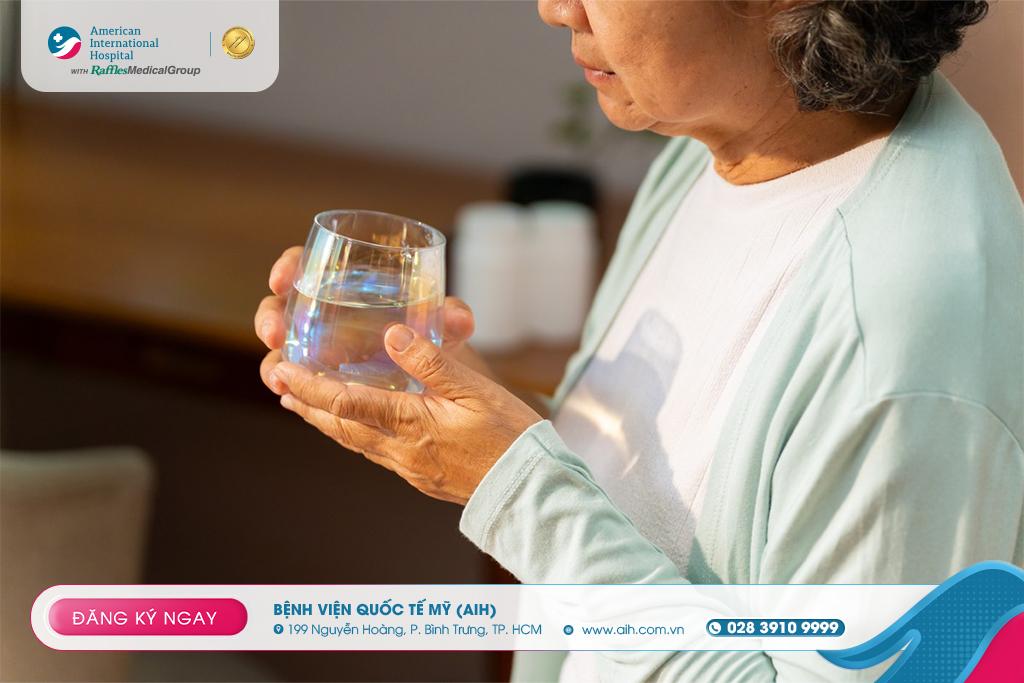
Sufficient fluid intake and frequent urination help flush out bacteria.
Limit the use of irritating chemicals in the genital area, such as overly fragrant feminine washes or bubble baths. Cleanse from front to back (for women) and urinate after intercourse to prevent bacterial invasion.
For severe infections or those affecting the kidneys, intravenous antibiotics and more aggressive treatment are typically used.
Urinary tract infection (UTI) is a common disease, easily encountered in women and individuals with risk factors such as catheterization, stones, or prostatic hyperplasia. Definitive diagnosis through urinalysis and bacterial culture aids in effective antibiotic treatment. Proper hygiene, drinking plenty of water, and frequent urination are simple but effective preventive measures. Avoiding unnecessary antibiotic prescriptions, especially in asymptomatic infection in the elderly, is a crucial factor in reducing antibiotic resistance and improving treatment outcomes.
For consultation and to schedule an appointment with specialists in Nephro-Urology - Andrology, please contact Hotline (028) 3910 9999 or INBOX our Fanpage https://m.me/aih.com.vn.
Reference:


Bác sĩ
Để lại bình luận