


Thông báo

CẢM ƠN QUÝ KHÁCH ĐÃ ĐẶT LỊCH KHÁM TẠI AIH.
Quý khách có muốn đăng ký thông tin trước không?
Vui lòng điền vào thông tin bên dưới
Khẩn cấp
WHAT TO DO IN CASE OF POISONING?

Poisoning occurs when exposure to a natural or synthetic chemical substance causes cellular injury, systemic dysfunction, or death. Toxic exposures remain a leading cause of emergency hospital visits worldwide.
Poisons can enter the human body through four main routes: ingestion (swallowing), inhalation (breathing in gases/vapors), dermal/ocular contact (absorption through skin or eyes), and injection (bites, stings, or needles).
Because toxic agents act rapidly on vital organ systems, recognizing the early signs of poisoning and knowing what not to do can prevent irreversible tissue damage and save lives.
Signs and Symptoms of Toxic Exposure
Poisoning symptoms vary based on the specific toxin, dose, and route of entry, but generally manifest across key body systems:
Gastrointestinal: Sudden, severe nausea, recurrent vomiting, abdominal cramping, unusual chemical odor on the breath, or chemical burns/redness around the mouth and lips.
Neurological: Sudden confusion, dizziness, drowsiness, slurred speech, dilated or pinpoint pupils, muscle tremors, seizures, or loss of consciousness.
Cardiorespiratory: Unexplained shortness of breath, wheezing, rapid or dangerously slow heartbeat, low blood pressure, or bluish discoloration of the lips and fingernails (cyanosis).
Dermal / Ocular: Unexplained skin redness, chemical burns, intense itching, blistering, eye pain, or blurred vision.
Step-by-Step Immediate First-Aid (Before Emergency Arrival)
If you suspect someone has been poisoned, stay calm and take immediate action based on the exposure route:
A. Swallowed Poisons (Ingestion)
Clear the Mouth: Remove any remaining poison or foreign material from the person's mouth gently.
DO NOT Induce Vomiting: Never force the person to vomit unless explicitly instructed by a medical doctor. Vomiting caustic chemicals (such as bleach, acid, or drain cleaners) causes secondary chemical burns to the esophagus and throat, or risks aspiration into the lungs.
DO NOT Give Raw Eggs or Vinegar: Avoid outdated home remedies. Do not offer food or fluids unless advised by medical professionals.

B. Inhaled Poisons (Gases, Smoke, Fumes)
Ensure Safety First: Do not enter an enclosed space filled with toxic fumes without proper protection.
Move to Fresh Air: Immediately move the victim into fresh air or an open, well-ventilated area.
Loosen Tight Clothing: Unbutton tight collars or belts to assist breathing.
C. Skin or Eye Exposure (Contact)
Skin Contact: Remove all contaminated clothing immediately using protective gloves. Flush the exposed skin with running water for at least 15 to 20 minutes.
Eye Contact: Gently rinse the open eye with clean, lukewarm running water or saline solution for 15 to 20 minutes, holding the eyelid open.
D. In case of Unconsciousness or Breathing Failure
If the victim is unconscious but breathing normally, place them in the recovery position (on their side) to prevent airway obstruction or aspiration if they vomit.
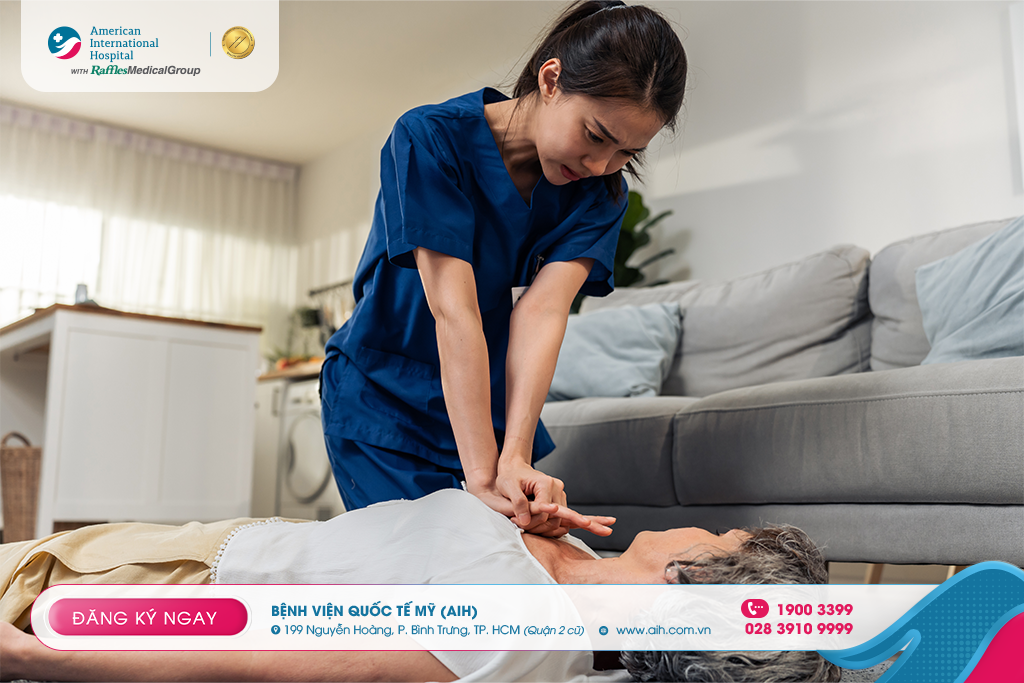
If the victim stops breathing or has no pulse, begin Cardiopulmonary Resuscitation (CPR) immediately if trained to do so.
Critical Information to Provide Medical Responders
When calling emergency medical services or arriving at the hospital, bring the toxin container or packaging if safe to do so, and be ready to provide:
What: The exact name, brand, or type of substance (e.g., household cleaner, medication, plant, pesticide).
How much: The estimated quantity swallowed, inhaled, or exposed.
When: The exact or estimated time the exposure occurred.
Who: The victim's age, approximate weight, and current medical condition/symptoms.
REFERENCE
Johns Hopkins Medicine: Poisoning First Aid, Emergency Guidelines, and Clinical Management. (Hệ thống Y tế Johns Hopkins).
Raffles Medical Group Singapore: Emergency First Aid Guide for Accidental Ingestion and Toxic Exposures. (Trung tâm Chuyên khoa Raffles Medical).
--------------------


Bác sĩ
Để lại bình luận